
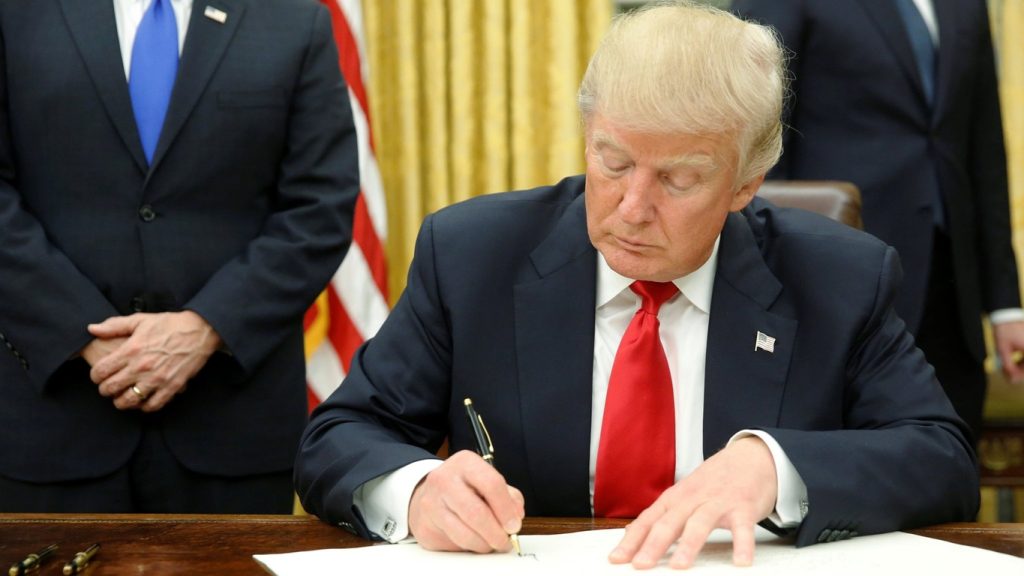
The Trump administration has taken one of the most significant federal steps in decades to ease restrictions on medical marijuana, moving it from Schedule I to Schedule III under U.S. drug laws.
The decision, signed by Acting Attorney General Todd Blanche, applies to state-licensed medical marijuana and FDA-approved cannabis-based products.
While the move marks a major policy shift, marijuana remains illegal at the federal level, and recreational use continues to be prohibited nationwide.
Officials say the reclassification is intended to expand access to medical treatment options and improve the government’s ability to study marijuana’s safety and effectiveness.
Under federal law, Schedule I substances are considered to have no accepted medical use and a high potential for abuse. By contrast, Schedule III substances are recognized as having medical value and are subject to less stringent controls.
The change is expected to reduce barriers for the medical marijuana industry, particularly in areas such as scientific research, taxation, and access to financial services.
However, the move stops short of a full overhaul of national cannabis policy, leaving broader legalization efforts to be addressed separately.